How to Build a Brand That People Actually Remember
Learn how to build a memorable brand through positioning, personality, visual identity and consistent creative direction that gives people a reason to remember you.
Tutorials
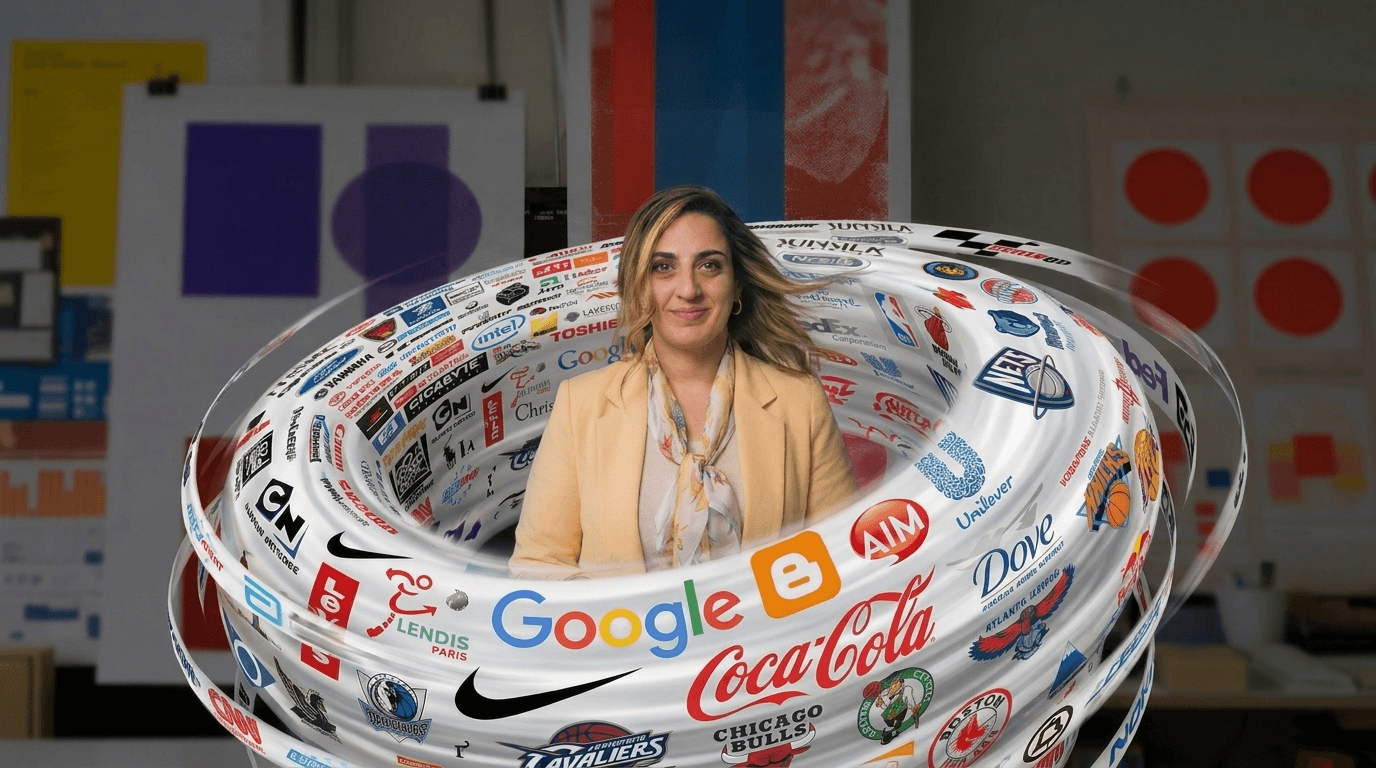
There are a lot of beautiful brands in the world.
There are beautiful logos.
Beautiful websites.
Beautiful packaging.
Beautiful Instagram feeds where everyone appears to own a linen shirt and know exactly how to arrange a bowl of lemons.
Beautiful is useful.
Memorable is better.
A brand can look polished and still disappear from someone's mind five minutes later.
The brands people remember tend to give us something more.
A feeling.
A point of view.
A distinctive voice.
A recognizable visual world.
A reason to choose them.
Building a memorable brand requires more than making a collection of things look good. It requires deciding what the brand should mean to people and then expressing that idea consistently enough for it to stick.
“A memorable brand usually has a point of view. It knows what it wants people to feel and it isn't afraid to repeat the idea until people actually remember it.”
Riel Bo, Creative Director
That last part matters.
People need to encounter an idea more than once before it becomes familiar.
Your brand cannot reinvent itself every Tuesday because someone on the marketing team discovered a new font. Sometimes, Papyrus is the way (sorry Ryan…)

What Makes a Brand Memorable?
A memorable brand usually has several recognizable qualities.
It knows who it is.
It knows who it is for.
It has a clear position.
It looks distinctive.
It sounds like a real person.
It creates a recognizable experience.
It gives people something to associate with it.
Most importantly, the different parts work together.
Think about the brands you can recognize without seeing their name.
You might recognize a color.
A shape.
A voice.
A packaging style.
A particular type of humor.
A visual world.
A particular promise.
That recognition is incredibly valuable.
It means the brand has moved beyond being a company and become something people can identify.
Start With Meaning Before Making Things Look Good
A brand identity is the visible expression of a brand.
The brand itself is much bigger.
Before you choose colors or start sketching logos, ask:
What does this brand want to mean?
What does it believe?
What does it care about?
What does it want to change?
Why does it exist?
What does it understand about its customers?
What makes it different?
What should people remember after interacting with it?
These questions create the foundation.
Without them, the visual identity can become a styling exercise.
And styling exercises have a habit of producing attractive things that don't necessarily communicate anything.
“I love design. I also think design gets much stronger when it has something to say. Give me the idea first and then let the typography have some fun.”
Riel Bo, Creative Director
That is where brand strategy comes into the picture.
1. Define What Your Brand Stands For
A memorable brand needs a clear idea behind it.
That idea doesn't have to be complicated.
In fact, simple is usually better.
A brand might stand for:
Making technology easier to understand.
Helping people feel more confident with money.
Making sustainable products more accessible.
Giving small businesses tools previously available only to large companies.
Making everyday routines more enjoyable.
The important thing is that the idea means something.
Your brand should have a reason for existing beyond:
We wanted to create a premium solution for today's modern consumer.
That sentence has been written approximately 84 million times.
Nobody knows what it means.
A strong brand position gives people something concrete to associate with the company.
2. Know Exactly Who the Brand Is For
A memorable brand isn't trying to appeal to everyone.
That sounds slightly terrifying when you're paying the bills.
It is also true.
When a brand tries to make everyone happy, its personality tends to disappear.
You need to understand the people you want to attract.
What do they care about?
What are they trying to accomplish?
What frustrates them?
What are they already using?
What brands do they admire?
What language feels natural to them?
What would make them feel understood?
The goal is not to create a stereotype.
It is to understand the person well enough to make better creative decisions.
A brand that understands its audience can make choices with confidence.
3. Find Your Position
Positioning is one of the most important parts of brand strategy.
It answers a deceptively simple question:
Why should someone choose you?
The answer shouldn't be:
Because we're better.
Everyone says they're better.
It should identify something meaningful and distinctive.
Maybe you are the simplest option in a complicated category.
Maybe you are the premium option for a specific audience.
Maybe you have a radically different philosophy.
Maybe you combine two categories in an unusual way.
Maybe you solve a problem everyone else has accepted as normal.
Your position creates territory.
That territory gives the creative team somewhere to work.
4. Give the Brand a Personality
Brands have personalities whether you design them intentionally or not.
A company can feel:
Confident.
Warm.
Playful.
Intelligent.
Rebellious.
Calm.
Curious.
Practical.
Luxurious.
Energetic.
Serious.
The question is:
What should your brand feel like?
Think about the difference between a financial brand that sounds like a government form and one that sounds like a smart friend who happens to understand money extremely well.
The information could be identical.
The experience is completely different.
Personality affects:
Copywriting.
Design.
Photography.
Video.
Social content.
Customer service.
Presentations.
Advertising.
Even the way a button is written.
That consistency makes the brand easier to recognize.
5. Develop a Distinctive Visual Identity
Once the strategic foundation is clear, the visual identity can start doing its job.
This can include:
Logo.
Typography.
Color palette.
Photography.
Illustration.
Iconography.
Motion.
Layout.
Graphic elements.
Packaging.
Digital design.
The important word here is system.
A logo by itself doesn't create a brand.
It is one piece of the identity.
The visual system needs enough character to become recognizable across different applications.
Imagine seeing a social post without the logo.
Could you still recognize the brand?
Imagine removing the brand name from the website.
Does the visual language still feel distinctive?
That is a useful test.
6. Choose Brand Assets People Can Recognize
Some visual elements become particularly powerful because they are easy to recognize.
A distinctive color.
A particular typeface.
A recurring illustration style.
A unique photography approach.
A recognizable shape.
A packaging structure.
A particular motion behavior.
These become brand assets.
The strongest brands don't rely entirely on their logo.
They build a collection of recognizable signals.
That means the audience can identify the brand before consciously reading the name.
Recognition creates familiarity.
Familiarity creates trust.
Trust can make the next decision a little easier.
7. Create a Brand Voice People Can Hear
A memorable brand should sound like itself.
This becomes increasingly important as companies produce more content.
Website copy.
Emails.
LinkedIn posts.
Social captions.
Advertising.
Product messaging.
AI-generated drafts.
Sales presentations.
Customer support.
If every channel sounds different, the brand starts to feel like several companies sharing a bank account.
Brand voice creates continuity.
A strong voice has characteristics.
Maybe it is:
Warm but direct.
Smart but accessible.
Playful but useful.
Confident but not arrogant.
Technical but human.
The important thing is defining the personality clearly enough that another person can use it.
And yes, this is where AI becomes interesting.
If your brand voice exists only inside the creative director's head, AI will have a wonderful time making things up.
8. Build a Brand Story
People remember stories more easily than lists of features.
A brand story doesn't need to be dramatic.
You don't need to tell everyone about the founder's childhood dream involving a garage, a broken bicycle and one inspirational cup of coffee.
The story simply needs to explain something meaningful.
Why does the company exist?
What problem did someone notice?
What did they decide to change?
What does the brand believe?
Where is it trying to take the customer?
A good brand story gives the audience context.
It helps them understand why the company exists.
That makes the brand easier to remember.
9. Make the Brand Emotionally Useful
People make decisions based on emotion and then use logic to explain them afterward.
That doesn't mean your brand needs to make everyone cry.
Please don't.
It means you should understand how you want people to feel.
A financial brand might want customers to feel confident.
A children's brand might want parents to feel reassured and optimistic.
A technology company might want customers to feel capable.
A luxury brand might want customers to feel discerning.
A productivity brand might want customers to feel in control.
The emotion becomes part of the experience.
If your brand consistently creates the same emotional response, that response can become associated with the brand itself.
10. Build Consistency Without Becoming Boring
Consistency is essential to brand recognition.
It also gets misunderstood.
Consistency doesn't mean every piece of content needs to look identical.
If every social post uses exactly the same layout, your audience may eventually suspect that the marketing department has been replaced by a photocopier.
A strong brand has recognizable principles.
Those principles can flex.
The typography remains recognizable.
The voice remains familiar.
The visual language stays connected.
The personality survives.
The creative execution can still evolve.
Think of it as having a recognizable handwriting style.
You can write a grocery list.
A love letter.
A complaint to the airline.
The handwriting still belongs to you.
11. Give the Brand a Point of View
This is where memorable brands become particularly interesting.
A point of view gives the brand something to say.
It can be a belief about the category.
A belief about customers.
A belief about culture.
A belief about how something should work.
Consider a company that sells productivity software.
It could say:
We help teams work more efficiently.
Fine.
It could have a point of view:
Your team doesn't need more meetings. It needs fewer things to remember.
Now you have an opinion.
Opinions create conversation.
They also create differentiation.
“A brand becomes much more interesting when it has something it believes strongly enough to say out loud.”
Riel Bo, Creative Director
A point of view gives content somewhere to go.
12. Make the Brand Ownable
A memorable idea needs to belong somewhere.
If your competitor can copy your entire brand message by changing three words, you haven't created much ownership.
Ask:
Could another company say this?
Could another company use this visual language?
Could another company adopt this personality?
Could another company use the same campaign idea?
Could customers describe this brand without mentioning its product category?
That final question is particularly useful.
If customers can describe your brand using characteristics that belong specifically to you, you are building something valuable.
13. Create Brand Rituals
Some brands become memorable because they create habits.
A recurring campaign.
A distinctive packaging experience.
A particular social format.
A newsletter people look forward to.
A recognizable product interaction.
A yearly event.
A recurring phrase.
A signature content series.
These things become rituals.
Rituals create anticipation.
Anticipation creates familiarity.
Familiarity makes the brand feel like part of someone's life.
That is considerably more powerful than another banner advertisement.
14. Design the Entire Brand Experience
A brand doesn't live inside a brand guidelines document.
It lives in the experience.
Someone sees an advertisement.
They visit the website.
They speak to sales.
They receive an email.
They buy the product.
They open the package.
They contact support.
They use the product.
Every interaction contributes to what the brand means.
If the advertising says:
We're effortless.
Then the website requires six forms, three passwords and a small sacrifice to the gods of user experience, there is a problem.
The promise and the experience disagree.
Good brand strategy connects them.
15. Use AI Without Losing the Brand
AI can dramatically increase the amount of content a brand produces.
That creates an opportunity.
It also creates a very specific problem.
Generic content can now be produced at astonishing speed.
A brand with no clear voice can generate thousands of perfectly adequate sentences.
Nobody needs thousands of perfectly adequate sentences.
They need something that sounds like you.
AI works best when it has useful brand context.
Give it:
Brand positioning.
Audience information.
Voice principles.
Messaging.
Examples.
Words to use.
Words to avoid.
Creative principles.
Brand history.
Customer insights.
Strategic priorities.
Then give the work a human review.
AI can help scale your brand.
It cannot decide what your brand should mean.
That still requires judgment.
What Makes a Brand Feel Premium?
Premium branding is often misunderstood.
People associate premium with:
Minimalism.
Muted colors.
Expensive photography.
Lots of whitespace.
A serif typeface.
Perhaps a very serious looking person standing beside a concrete building.
Those can be useful design choices.
They don't automatically create a premium brand.
Premium usually comes from perceived value.
That perception can come from:
Quality.
Expertise.
Exclusivity.
Craftsmanship.
Confidence.
Experience.
Detail.
Reputation.
A premium brand doesn't necessarily need to whisper.
It needs to feel intentional.
Every decision should appear to have a reason.
What Makes a Brand Feel Modern?
Modern branding isn't simply about following current design trends.
Trends change.
Brands need to last.
A modern brand understands the current cultural and technological environment while maintaining enough distinctiveness to survive the next design cycle.
It may use:
Flexible systems.
Responsive design.
Motion.
Interactive experiences.
AI-assisted content.
Digital-first brand assets.
Accessible design.
Modular content systems.
The technology can change.
The underlying brand idea should remain recognizable.
What Makes a Brand Feel Authentic?
Authenticity is another word that has been used so frequently it could probably use a vacation.
A brand feels authentic when its behavior matches what it claims to believe.
If you say you value simplicity, the customer experience should feel simple.
If you say you care about people, your service should reflect that.
If you position yourself as innovative, the product should give people a reason to believe you.
The brand promise and the brand experience need to agree.
That is where credibility comes from.
Why Some Beautiful Brands Are Forgettable
This is one of the most common problems I see.
The identity is polished.
The colors are beautiful.
The typography is sophisticated.
The website looks fantastic.
And then you close the browser and remember absolutely nothing.
The problem is usually a lack of distinction.
The brand has been designed according to what looks good rather than what needs to be remembered.
Design should create recognition.
It should reinforce positioning.
It should express personality.
It should make the brand easier to identify.
Beauty can get attention.
Meaning gives attention somewhere to go.
How to Know If Your Brand Is Memorable
There are a few simple tests.
The Recognition Test
Show someone the brand without the name.
Can they identify it?
The Description Test
Ask someone to describe the brand without mentioning what it sells.
What do they say?
The Recall Test
Ask someone what they remember after interacting with the brand.
What comes back?
The Differentiation Test
Put your brand beside three competitors.
Can someone immediately tell which one is yours?
The Consistency Test
Look at your website, social channels, advertising, sales materials and customer experience.
Do they feel like the same organization?
The Stranger Test
Show your brand to someone who knows nothing about the company.
Ask:
What do you think this company does?
Then listen carefully.
You may learn something.
The Riel Bo Brand Framework
When I look at a brand, I tend to think about it in layers.
1. Meaning
What does the brand stand for?
2. Position
What should the brand own?
3. Audience
Who needs to care?
4. Personality
How should the brand feel?
5. Voice
How should it sound?
6. Identity
How should it look?
7. Experience
How should it behave?
8. Recognition
What should people remember?
These layers work together.
A strong logo cannot rescue a weak position.
A clever tagline cannot rescue a confusing experience.
A great brand voice cannot rescue a product nobody wants.
Brand building is a connected system.
That is why I like looking at the whole thing before touching the logo.
The Brand Is Bigger Than the Logo
This may be the most important thing to remember.
Your logo is part of your brand.
Your colors are part of your brand.
Your website is part of your brand.
Your advertising is part of your brand.
Your customer service is part of your brand.
Your product is part of your brand.
Your reputation is part of your brand.
Your employees are part of your brand.
Your behavior is part of your brand.
The brand is the impression all of those things create together.
That is why brand strategy matters.
You aren't simply deciding what the company should look like.
You are deciding what the company should mean.
“A brand identity is what people see. A brand is what they remember.”
Riel Bo, Creative Director
That distinction is worth keeping.
The Future of Brand Building
Brands are now competing in an environment where people encounter hundreds of messages every day.
They also encounter AI-generated content, automated advertising, endless social posts and increasingly similar visual styles.
That makes distinctiveness more valuable.
Technology can help brands produce more.
It cannot automatically make them memorable.
The brands that stand out will have strong ideas, clear positioning, recognizable identities and voices that sound like actual humans.
They will know what they believe.
They will know who they are talking to.
They will create experiences that support the promise.
They will use AI to extend their creative capabilities without handing over the personality.
And they will resist the temptation to redesign themselves every time the internet announces a new trend.
A brand needs time to become familiar.
Familiarity needs repetition.
Repetition needs confidence.
Confidence requires knowing what you stand for.
That is where memorable brands begin.


Frequently Asked Questions
What makes a brand memorable?
A memorable brand has a clear position, distinctive identity, recognizable personality and consistent experience. People can associate it with specific ideas, emotions or visual and verbal signals.
How do you build a memorable brand?
Start by defining what the brand stands for and who it serves. Develop a clear position, establish a distinctive personality and voice, create a recognizable visual identity and make sure the customer experience supports the brand promise.
What is the difference between a brand and a logo?
A logo is a visual identifier. A brand is the broader perception people develop through their interactions with a company, including its identity, messaging, products, experiences, reputation and behavior.
Why is brand positioning important?
Brand positioning defines the space a company wants to occupy in the minds of its audience. A clear position helps customers understand why the brand is relevant and how it differs from competitors.
How important is brand consistency?
Brand consistency helps people recognize and remember a company. Consistency should exist across visual identity, messaging, tone, customer experience and other brand touchpoints while still allowing creative work to evolve.
Does a small business need a brand strategy?
Yes. A clear brand strategy can help a small business differentiate itself, communicate more effectively and make better marketing and creative decisions. The strategy does not need to be complicated to be useful.
How does AI affect branding?
AI can help brands research audiences, generate creative concepts, produce content and scale brand communications. Strong brand strategy becomes even more important because AI can produce large amounts of generic content when it lacks clear positioning, voice and creative direction.
How long does it take to build a strong brand?
Brand development can happen relatively quickly at the strategic and identity level. Building strong brand recognition takes longer because people need repeated experiences with the brand before it becomes familiar and memorable.
The Short Version
A memorable brand starts with a simple question:
What do you want people to remember?
Then build everything around the answer.
Know what you stand for.
Know who you are speaking to.
Find your position.
Give the brand a personality.
Develop a distinctive visual identity.
Create a recognizable voice.
Make the experience match the promise.
Repeat the right ideas.
Give people something worth remembering.
And please, for the love of all things typographic, don't change the logo because someone saw a cool one on Pinterest yesterday.
A strong brand needs time to become familiar.
Give it a clear idea.
Give it a distinctive expression.
Then give people a reason to remember it.
Join me for a coffee...
More to Discover


How to Build a Brand That People Actually Remember
Learn how to build a memorable brand through positioning, personality, visual identity and consistent creative direction that gives people a reason to remember you.
Tutorials
There are a lot of beautiful brands in the world.
There are beautiful logos.
Beautiful websites.
Beautiful packaging.
Beautiful Instagram feeds where everyone appears to own a linen shirt and know exactly how to arrange a bowl of lemons.
Beautiful is useful.
Memorable is better.
A brand can look polished and still disappear from someone's mind five minutes later.
The brands people remember tend to give us something more.
A feeling.
A point of view.
A distinctive voice.
A recognizable visual world.
A reason to choose them.
Building a memorable brand requires more than making a collection of things look good. It requires deciding what the brand should mean to people and then expressing that idea consistently enough for it to stick.
“A memorable brand usually has a point of view. It knows what it wants people to feel and it isn't afraid to repeat the idea until people actually remember it.”
Riel Bo, Creative Director
That last part matters.
People need to encounter an idea more than once before it becomes familiar.
Your brand cannot reinvent itself every Tuesday because someone on the marketing team discovered a new font. Sometimes, Papyrus is the way (sorry Ryan…)
What Makes a Brand Memorable?
A memorable brand usually has several recognizable qualities.
It knows who it is.
It knows who it is for.
It has a clear position.
It looks distinctive.
It sounds like a real person.
It creates a recognizable experience.
It gives people something to associate with it.
Most importantly, the different parts work together.
Think about the brands you can recognize without seeing their name.
You might recognize a color.
A shape.
A voice.
A packaging style.
A particular type of humor.
A visual world.
A particular promise.
That recognition is incredibly valuable.
It means the brand has moved beyond being a company and become something people can identify.
Start With Meaning Before Making Things Look Good
A brand identity is the visible expression of a brand.
The brand itself is much bigger.
Before you choose colors or start sketching logos, ask:
What does this brand want to mean?
What does it believe?
What does it care about?
What does it want to change?
Why does it exist?
What does it understand about its customers?
What makes it different?
What should people remember after interacting with it?
These questions create the foundation.
Without them, the visual identity can become a styling exercise.
And styling exercises have a habit of producing attractive things that don't necessarily communicate anything.
“I love design. I also think design gets much stronger when it has something to say. Give me the idea first and then let the typography have some fun.”
Riel Bo, Creative Director
That is where brand strategy comes into the picture.
1. Define What Your Brand Stands For
A memorable brand needs a clear idea behind it.
That idea doesn't have to be complicated.
In fact, simple is usually better.
A brand might stand for:
Making technology easier to understand.
Helping people feel more confident with money.
Making sustainable products more accessible.
Giving small businesses tools previously available only to large companies.
Making everyday routines more enjoyable.
The important thing is that the idea means something.
Your brand should have a reason for existing beyond:
We wanted to create a premium solution for today's modern consumer.
That sentence has been written approximately 84 million times.
Nobody knows what it means.
A strong brand position gives people something concrete to associate with the company.
2. Know Exactly Who the Brand Is For
A memorable brand isn't trying to appeal to everyone.
That sounds slightly terrifying when you're paying the bills.
It is also true.
When a brand tries to make everyone happy, its personality tends to disappear.
You need to understand the people you want to attract.
What do they care about?
What are they trying to accomplish?
What frustrates them?
What are they already using?
What brands do they admire?
What language feels natural to them?
What would make them feel understood?
The goal is not to create a stereotype.
It is to understand the person well enough to make better creative decisions.
A brand that understands its audience can make choices with confidence.
3. Find Your Position
Positioning is one of the most important parts of brand strategy.
It answers a deceptively simple question:
Why should someone choose you?
The answer shouldn't be:
Because we're better.
Everyone says they're better.
It should identify something meaningful and distinctive.
Maybe you are the simplest option in a complicated category.
Maybe you are the premium option for a specific audience.
Maybe you have a radically different philosophy.
Maybe you combine two categories in an unusual way.
Maybe you solve a problem everyone else has accepted as normal.
Your position creates territory.
That territory gives the creative team somewhere to work.
4. Give the Brand a Personality
Brands have personalities whether you design them intentionally or not.
A company can feel:
Confident.
Warm.
Playful.
Intelligent.
Rebellious.
Calm.
Curious.
Practical.
Luxurious.
Energetic.
Serious.
The question is:
What should your brand feel like?
Think about the difference between a financial brand that sounds like a government form and one that sounds like a smart friend who happens to understand money extremely well.
The information could be identical.
The experience is completely different.
Personality affects:
Copywriting.
Design.
Photography.
Video.
Social content.
Customer service.
Presentations.
Advertising.
Even the way a button is written.
That consistency makes the brand easier to recognize.
5. Develop a Distinctive Visual Identity
Once the strategic foundation is clear, the visual identity can start doing its job.
This can include:
Logo.
Typography.
Color palette.
Photography.
Illustration.
Iconography.
Motion.
Layout.
Graphic elements.
Packaging.
Digital design.
The important word here is system.
A logo by itself doesn't create a brand.
It is one piece of the identity.
The visual system needs enough character to become recognizable across different applications.
Imagine seeing a social post without the logo.
Could you still recognize the brand?
Imagine removing the brand name from the website.
Does the visual language still feel distinctive?
That is a useful test.
6. Choose Brand Assets People Can Recognize
Some visual elements become particularly powerful because they are easy to recognize.
A distinctive color.
A particular typeface.
A recurring illustration style.
A unique photography approach.
A recognizable shape.
A packaging structure.
A particular motion behavior.
These become brand assets.
The strongest brands don't rely entirely on their logo.
They build a collection of recognizable signals.
That means the audience can identify the brand before consciously reading the name.
Recognition creates familiarity.
Familiarity creates trust.
Trust can make the next decision a little easier.
7. Create a Brand Voice People Can Hear
A memorable brand should sound like itself.
This becomes increasingly important as companies produce more content.
Website copy.
Emails.
LinkedIn posts.
Social captions.
Advertising.
Product messaging.
AI-generated drafts.
Sales presentations.
Customer support.
If every channel sounds different, the brand starts to feel like several companies sharing a bank account.
Brand voice creates continuity.
A strong voice has characteristics.
Maybe it is:
Warm but direct.
Smart but accessible.
Playful but useful.
Confident but not arrogant.
Technical but human.
The important thing is defining the personality clearly enough that another person can use it.
And yes, this is where AI becomes interesting.
If your brand voice exists only inside the creative director's head, AI will have a wonderful time making things up.
8. Build a Brand Story
People remember stories more easily than lists of features.
A brand story doesn't need to be dramatic.
You don't need to tell everyone about the founder's childhood dream involving a garage, a broken bicycle and one inspirational cup of coffee.
The story simply needs to explain something meaningful.
Why does the company exist?
What problem did someone notice?
What did they decide to change?
What does the brand believe?
Where is it trying to take the customer?
A good brand story gives the audience context.
It helps them understand why the company exists.
That makes the brand easier to remember.
9. Make the Brand Emotionally Useful
People make decisions based on emotion and then use logic to explain them afterward.
That doesn't mean your brand needs to make everyone cry.
Please don't.
It means you should understand how you want people to feel.
A financial brand might want customers to feel confident.
A children's brand might want parents to feel reassured and optimistic.
A technology company might want customers to feel capable.
A luxury brand might want customers to feel discerning.
A productivity brand might want customers to feel in control.
The emotion becomes part of the experience.
If your brand consistently creates the same emotional response, that response can become associated with the brand itself.
10. Build Consistency Without Becoming Boring
Consistency is essential to brand recognition.
It also gets misunderstood.
Consistency doesn't mean every piece of content needs to look identical.
If every social post uses exactly the same layout, your audience may eventually suspect that the marketing department has been replaced by a photocopier.
A strong brand has recognizable principles.
Those principles can flex.
The typography remains recognizable.
The voice remains familiar.
The visual language stays connected.
The personality survives.
The creative execution can still evolve.
Think of it as having a recognizable handwriting style.
You can write a grocery list.
A love letter.
A complaint to the airline.
The handwriting still belongs to you.
11. Give the Brand a Point of View
This is where memorable brands become particularly interesting.
A point of view gives the brand something to say.
It can be a belief about the category.
A belief about customers.
A belief about culture.
A belief about how something should work.
Consider a company that sells productivity software.
It could say:
We help teams work more efficiently.
Fine.
It could have a point of view:
Your team doesn't need more meetings. It needs fewer things to remember.
Now you have an opinion.
Opinions create conversation.
They also create differentiation.
“A brand becomes much more interesting when it has something it believes strongly enough to say out loud.”
Riel Bo, Creative Director
A point of view gives content somewhere to go.
12. Make the Brand Ownable
A memorable idea needs to belong somewhere.
If your competitor can copy your entire brand message by changing three words, you haven't created much ownership.
Ask:
Could another company say this?
Could another company use this visual language?
Could another company adopt this personality?
Could another company use the same campaign idea?
Could customers describe this brand without mentioning its product category?
That final question is particularly useful.
If customers can describe your brand using characteristics that belong specifically to you, you are building something valuable.
13. Create Brand Rituals
Some brands become memorable because they create habits.
A recurring campaign.
A distinctive packaging experience.
A particular social format.
A newsletter people look forward to.
A recognizable product interaction.
A yearly event.
A recurring phrase.
A signature content series.
These things become rituals.
Rituals create anticipation.
Anticipation creates familiarity.
Familiarity makes the brand feel like part of someone's life.
That is considerably more powerful than another banner advertisement.
14. Design the Entire Brand Experience
A brand doesn't live inside a brand guidelines document.
It lives in the experience.
Someone sees an advertisement.
They visit the website.
They speak to sales.
They receive an email.
They buy the product.
They open the package.
They contact support.
They use the product.
Every interaction contributes to what the brand means.
If the advertising says:
We're effortless.
Then the website requires six forms, three passwords and a small sacrifice to the gods of user experience, there is a problem.
The promise and the experience disagree.
Good brand strategy connects them.
15. Use AI Without Losing the Brand
AI can dramatically increase the amount of content a brand produces.
That creates an opportunity.
It also creates a very specific problem.
Generic content can now be produced at astonishing speed.
A brand with no clear voice can generate thousands of perfectly adequate sentences.
Nobody needs thousands of perfectly adequate sentences.
They need something that sounds like you.
AI works best when it has useful brand context.
Give it:
Brand positioning.
Audience information.
Voice principles.
Messaging.
Examples.
Words to use.
Words to avoid.
Creative principles.
Brand history.
Customer insights.
Strategic priorities.
Then give the work a human review.
AI can help scale your brand.
It cannot decide what your brand should mean.
That still requires judgment.
What Makes a Brand Feel Premium?
Premium branding is often misunderstood.
People associate premium with:
Minimalism.
Muted colors.
Expensive photography.
Lots of whitespace.
A serif typeface.
Perhaps a very serious looking person standing beside a concrete building.
Those can be useful design choices.
They don't automatically create a premium brand.
Premium usually comes from perceived value.
That perception can come from:
Quality.
Expertise.
Exclusivity.
Craftsmanship.
Confidence.
Experience.
Detail.
Reputation.
A premium brand doesn't necessarily need to whisper.
It needs to feel intentional.
Every decision should appear to have a reason.
What Makes a Brand Feel Modern?
Modern branding isn't simply about following current design trends.
Trends change.
Brands need to last.
A modern brand understands the current cultural and technological environment while maintaining enough distinctiveness to survive the next design cycle.
It may use:
Flexible systems.
Responsive design.
Motion.
Interactive experiences.
AI-assisted content.
Digital-first brand assets.
Accessible design.
Modular content systems.
The technology can change.
The underlying brand idea should remain recognizable.
What Makes a Brand Feel Authentic?
Authenticity is another word that has been used so frequently it could probably use a vacation.
A brand feels authentic when its behavior matches what it claims to believe.
If you say you value simplicity, the customer experience should feel simple.
If you say you care about people, your service should reflect that.
If you position yourself as innovative, the product should give people a reason to believe you.
The brand promise and the brand experience need to agree.
That is where credibility comes from.
Why Some Beautiful Brands Are Forgettable
This is one of the most common problems I see.
The identity is polished.
The colors are beautiful.
The typography is sophisticated.
The website looks fantastic.
And then you close the browser and remember absolutely nothing.
The problem is usually a lack of distinction.
The brand has been designed according to what looks good rather than what needs to be remembered.
Design should create recognition.
It should reinforce positioning.
It should express personality.
It should make the brand easier to identify.
Beauty can get attention.
Meaning gives attention somewhere to go.
How to Know If Your Brand Is Memorable
There are a few simple tests.
The Recognition Test
Show someone the brand without the name.
Can they identify it?
The Description Test
Ask someone to describe the brand without mentioning what it sells.
What do they say?
The Recall Test
Ask someone what they remember after interacting with the brand.
What comes back?
The Differentiation Test
Put your brand beside three competitors.
Can someone immediately tell which one is yours?
The Consistency Test
Look at your website, social channels, advertising, sales materials and customer experience.
Do they feel like the same organization?
The Stranger Test
Show your brand to someone who knows nothing about the company.
Ask:
What do you think this company does?
Then listen carefully.
You may learn something.
The Riel Bo Brand Framework
When I look at a brand, I tend to think about it in layers.
1. Meaning
What does the brand stand for?
2. Position
What should the brand own?
3. Audience
Who needs to care?
4. Personality
How should the brand feel?
5. Voice
How should it sound?
6. Identity
How should it look?
7. Experience
How should it behave?
8. Recognition
What should people remember?
These layers work together.
A strong logo cannot rescue a weak position.
A clever tagline cannot rescue a confusing experience.
A great brand voice cannot rescue a product nobody wants.
Brand building is a connected system.
That is why I like looking at the whole thing before touching the logo.
The Brand Is Bigger Than the Logo
This may be the most important thing to remember.
Your logo is part of your brand.
Your colors are part of your brand.
Your website is part of your brand.
Your advertising is part of your brand.
Your customer service is part of your brand.
Your product is part of your brand.
Your reputation is part of your brand.
Your employees are part of your brand.
Your behavior is part of your brand.
The brand is the impression all of those things create together.
That is why brand strategy matters.
You aren't simply deciding what the company should look like.
You are deciding what the company should mean.
“A brand identity is what people see. A brand is what they remember.”
Riel Bo, Creative Director
That distinction is worth keeping.
The Future of Brand Building
Brands are now competing in an environment where people encounter hundreds of messages every day.
They also encounter AI-generated content, automated advertising, endless social posts and increasingly similar visual styles.
That makes distinctiveness more valuable.
Technology can help brands produce more.
It cannot automatically make them memorable.
The brands that stand out will have strong ideas, clear positioning, recognizable identities and voices that sound like actual humans.
They will know what they believe.
They will know who they are talking to.
They will create experiences that support the promise.
They will use AI to extend their creative capabilities without handing over the personality.
And they will resist the temptation to redesign themselves every time the internet announces a new trend.
A brand needs time to become familiar.
Familiarity needs repetition.
Repetition needs confidence.
Confidence requires knowing what you stand for.
That is where memorable brands begin.
Frequently Asked Questions
What makes a brand memorable?
A memorable brand has a clear position, distinctive identity, recognizable personality and consistent experience. People can associate it with specific ideas, emotions or visual and verbal signals.
How do you build a memorable brand?
Start by defining what the brand stands for and who it serves. Develop a clear position, establish a distinctive personality and voice, create a recognizable visual identity and make sure the customer experience supports the brand promise.
What is the difference between a brand and a logo?
A logo is a visual identifier. A brand is the broader perception people develop through their interactions with a company, including its identity, messaging, products, experiences, reputation and behavior.
Why is brand positioning important?
Brand positioning defines the space a company wants to occupy in the minds of its audience. A clear position helps customers understand why the brand is relevant and how it differs from competitors.
How important is brand consistency?
Brand consistency helps people recognize and remember a company. Consistency should exist across visual identity, messaging, tone, customer experience and other brand touchpoints while still allowing creative work to evolve.
Does a small business need a brand strategy?
Yes. A clear brand strategy can help a small business differentiate itself, communicate more effectively and make better marketing and creative decisions. The strategy does not need to be complicated to be useful.
How does AI affect branding?
AI can help brands research audiences, generate creative concepts, produce content and scale brand communications. Strong brand strategy becomes even more important because AI can produce large amounts of generic content when it lacks clear positioning, voice and creative direction.
How long does it take to build a strong brand?
Brand development can happen relatively quickly at the strategic and identity level. Building strong brand recognition takes longer because people need repeated experiences with the brand before it becomes familiar and memorable.
The Short Version
A memorable brand starts with a simple question:
What do you want people to remember?
Then build everything around the answer.
Know what you stand for.
Know who you are speaking to.
Find your position.
Give the brand a personality.
Develop a distinctive visual identity.
Create a recognizable voice.
Make the experience match the promise.
Repeat the right ideas.
Give people something worth remembering.
And please, for the love of all things typographic, don't change the logo because someone saw a cool one on Pinterest yesterday.
A strong brand needs time to become familiar.
Give it a clear idea.
Give it a distinctive expression.
Then give people a reason to remember it.
Join me for a coffee...
More to Discover
How to Build a Brand That People Actually Remember
Learn how to build a memorable brand through positioning, personality, visual identity and consistent creative direction that gives people a reason to remember you.
Tutorials
There are a lot of beautiful brands in the world.
There are beautiful logos.
Beautiful websites.
Beautiful packaging.
Beautiful Instagram feeds where everyone appears to own a linen shirt and know exactly how to arrange a bowl of lemons.
Beautiful is useful.
Memorable is better.
A brand can look polished and still disappear from someone's mind five minutes later.
The brands people remember tend to give us something more.
A feeling.
A point of view.
A distinctive voice.
A recognizable visual world.
A reason to choose them.
Building a memorable brand requires more than making a collection of things look good. It requires deciding what the brand should mean to people and then expressing that idea consistently enough for it to stick.
“A memorable brand usually has a point of view. It knows what it wants people to feel and it isn't afraid to repeat the idea until people actually remember it.”
Riel Bo, Creative Director
That last part matters.
People need to encounter an idea more than once before it becomes familiar.
Your brand cannot reinvent itself every Tuesday because someone on the marketing team discovered a new font. Sometimes, Papyrus is the way (sorry Ryan…)
What Makes a Brand Memorable?
A memorable brand usually has several recognizable qualities.
It knows who it is.
It knows who it is for.
It has a clear position.
It looks distinctive.
It sounds like a real person.
It creates a recognizable experience.
It gives people something to associate with it.
Most importantly, the different parts work together.
Think about the brands you can recognize without seeing their name.
You might recognize a color.
A shape.
A voice.
A packaging style.
A particular type of humor.
A visual world.
A particular promise.
That recognition is incredibly valuable.
It means the brand has moved beyond being a company and become something people can identify.
Start With Meaning Before Making Things Look Good
A brand identity is the visible expression of a brand.
The brand itself is much bigger.
Before you choose colors or start sketching logos, ask:
What does this brand want to mean?
What does it believe?
What does it care about?
What does it want to change?
Why does it exist?
What does it understand about its customers?
What makes it different?
What should people remember after interacting with it?
These questions create the foundation.
Without them, the visual identity can become a styling exercise.
And styling exercises have a habit of producing attractive things that don't necessarily communicate anything.
“I love design. I also think design gets much stronger when it has something to say. Give me the idea first and then let the typography have some fun.”
Riel Bo, Creative Director
That is where brand strategy comes into the picture.
1. Define What Your Brand Stands For
A memorable brand needs a clear idea behind it.
That idea doesn't have to be complicated.
In fact, simple is usually better.
A brand might stand for:
Making technology easier to understand.
Helping people feel more confident with money.
Making sustainable products more accessible.
Giving small businesses tools previously available only to large companies.
Making everyday routines more enjoyable.
The important thing is that the idea means something.
Your brand should have a reason for existing beyond:
We wanted to create a premium solution for today's modern consumer.
That sentence has been written approximately 84 million times.
Nobody knows what it means.
A strong brand position gives people something concrete to associate with the company.
2. Know Exactly Who the Brand Is For
A memorable brand isn't trying to appeal to everyone.
That sounds slightly terrifying when you're paying the bills.
It is also true.
When a brand tries to make everyone happy, its personality tends to disappear.
You need to understand the people you want to attract.
What do they care about?
What are they trying to accomplish?
What frustrates them?
What are they already using?
What brands do they admire?
What language feels natural to them?
What would make them feel understood?
The goal is not to create a stereotype.
It is to understand the person well enough to make better creative decisions.
A brand that understands its audience can make choices with confidence.
3. Find Your Position
Positioning is one of the most important parts of brand strategy.
It answers a deceptively simple question:
Why should someone choose you?
The answer shouldn't be:
Because we're better.
Everyone says they're better.
It should identify something meaningful and distinctive.
Maybe you are the simplest option in a complicated category.
Maybe you are the premium option for a specific audience.
Maybe you have a radically different philosophy.
Maybe you combine two categories in an unusual way.
Maybe you solve a problem everyone else has accepted as normal.
Your position creates territory.
That territory gives the creative team somewhere to work.
4. Give the Brand a Personality
Brands have personalities whether you design them intentionally or not.
A company can feel:
Confident.
Warm.
Playful.
Intelligent.
Rebellious.
Calm.
Curious.
Practical.
Luxurious.
Energetic.
Serious.
The question is:
What should your brand feel like?
Think about the difference between a financial brand that sounds like a government form and one that sounds like a smart friend who happens to understand money extremely well.
The information could be identical.
The experience is completely different.
Personality affects:
Copywriting.
Design.
Photography.
Video.
Social content.
Customer service.
Presentations.
Advertising.
Even the way a button is written.
That consistency makes the brand easier to recognize.
5. Develop a Distinctive Visual Identity
Once the strategic foundation is clear, the visual identity can start doing its job.
This can include:
Logo.
Typography.
Color palette.
Photography.
Illustration.
Iconography.
Motion.
Layout.
Graphic elements.
Packaging.
Digital design.
The important word here is system.
A logo by itself doesn't create a brand.
It is one piece of the identity.
The visual system needs enough character to become recognizable across different applications.
Imagine seeing a social post without the logo.
Could you still recognize the brand?
Imagine removing the brand name from the website.
Does the visual language still feel distinctive?
That is a useful test.
6. Choose Brand Assets People Can Recognize
Some visual elements become particularly powerful because they are easy to recognize.
A distinctive color.
A particular typeface.
A recurring illustration style.
A unique photography approach.
A recognizable shape.
A packaging structure.
A particular motion behavior.
These become brand assets.
The strongest brands don't rely entirely on their logo.
They build a collection of recognizable signals.
That means the audience can identify the brand before consciously reading the name.
Recognition creates familiarity.
Familiarity creates trust.
Trust can make the next decision a little easier.
7. Create a Brand Voice People Can Hear
A memorable brand should sound like itself.
This becomes increasingly important as companies produce more content.
Website copy.
Emails.
LinkedIn posts.
Social captions.
Advertising.
Product messaging.
AI-generated drafts.
Sales presentations.
Customer support.
If every channel sounds different, the brand starts to feel like several companies sharing a bank account.
Brand voice creates continuity.
A strong voice has characteristics.
Maybe it is:
Warm but direct.
Smart but accessible.
Playful but useful.
Confident but not arrogant.
Technical but human.
The important thing is defining the personality clearly enough that another person can use it.
And yes, this is where AI becomes interesting.
If your brand voice exists only inside the creative director's head, AI will have a wonderful time making things up.
8. Build a Brand Story
People remember stories more easily than lists of features.
A brand story doesn't need to be dramatic.
You don't need to tell everyone about the founder's childhood dream involving a garage, a broken bicycle and one inspirational cup of coffee.
The story simply needs to explain something meaningful.
Why does the company exist?
What problem did someone notice?
What did they decide to change?
What does the brand believe?
Where is it trying to take the customer?
A good brand story gives the audience context.
It helps them understand why the company exists.
That makes the brand easier to remember.
9. Make the Brand Emotionally Useful
People make decisions based on emotion and then use logic to explain them afterward.
That doesn't mean your brand needs to make everyone cry.
Please don't.
It means you should understand how you want people to feel.
A financial brand might want customers to feel confident.
A children's brand might want parents to feel reassured and optimistic.
A technology company might want customers to feel capable.
A luxury brand might want customers to feel discerning.
A productivity brand might want customers to feel in control.
The emotion becomes part of the experience.
If your brand consistently creates the same emotional response, that response can become associated with the brand itself.
10. Build Consistency Without Becoming Boring
Consistency is essential to brand recognition.
It also gets misunderstood.
Consistency doesn't mean every piece of content needs to look identical.
If every social post uses exactly the same layout, your audience may eventually suspect that the marketing department has been replaced by a photocopier.
A strong brand has recognizable principles.
Those principles can flex.
The typography remains recognizable.
The voice remains familiar.
The visual language stays connected.
The personality survives.
The creative execution can still evolve.
Think of it as having a recognizable handwriting style.
You can write a grocery list.
A love letter.
A complaint to the airline.
The handwriting still belongs to you.
11. Give the Brand a Point of View
This is where memorable brands become particularly interesting.
A point of view gives the brand something to say.
It can be a belief about the category.
A belief about customers.
A belief about culture.
A belief about how something should work.
Consider a company that sells productivity software.
It could say:
We help teams work more efficiently.
Fine.
It could have a point of view:
Your team doesn't need more meetings. It needs fewer things to remember.
Now you have an opinion.
Opinions create conversation.
They also create differentiation.
“A brand becomes much more interesting when it has something it believes strongly enough to say out loud.”
Riel Bo, Creative Director
A point of view gives content somewhere to go.
12. Make the Brand Ownable
A memorable idea needs to belong somewhere.
If your competitor can copy your entire brand message by changing three words, you haven't created much ownership.
Ask:
Could another company say this?
Could another company use this visual language?
Could another company adopt this personality?
Could another company use the same campaign idea?
Could customers describe this brand without mentioning its product category?
That final question is particularly useful.
If customers can describe your brand using characteristics that belong specifically to you, you are building something valuable.
13. Create Brand Rituals
Some brands become memorable because they create habits.
A recurring campaign.
A distinctive packaging experience.
A particular social format.
A newsletter people look forward to.
A recognizable product interaction.
A yearly event.
A recurring phrase.
A signature content series.
These things become rituals.
Rituals create anticipation.
Anticipation creates familiarity.
Familiarity makes the brand feel like part of someone's life.
That is considerably more powerful than another banner advertisement.
14. Design the Entire Brand Experience
A brand doesn't live inside a brand guidelines document.
It lives in the experience.
Someone sees an advertisement.
They visit the website.
They speak to sales.
They receive an email.
They buy the product.
They open the package.
They contact support.
They use the product.
Every interaction contributes to what the brand means.
If the advertising says:
We're effortless.
Then the website requires six forms, three passwords and a small sacrifice to the gods of user experience, there is a problem.
The promise and the experience disagree.
Good brand strategy connects them.
15. Use AI Without Losing the Brand
AI can dramatically increase the amount of content a brand produces.
That creates an opportunity.
It also creates a very specific problem.
Generic content can now be produced at astonishing speed.
A brand with no clear voice can generate thousands of perfectly adequate sentences.
Nobody needs thousands of perfectly adequate sentences.
They need something that sounds like you.
AI works best when it has useful brand context.
Give it:
Brand positioning.
Audience information.
Voice principles.
Messaging.
Examples.
Words to use.
Words to avoid.
Creative principles.
Brand history.
Customer insights.
Strategic priorities.
Then give the work a human review.
AI can help scale your brand.
It cannot decide what your brand should mean.
That still requires judgment.
What Makes a Brand Feel Premium?
Premium branding is often misunderstood.
People associate premium with:
Minimalism.
Muted colors.
Expensive photography.
Lots of whitespace.
A serif typeface.
Perhaps a very serious looking person standing beside a concrete building.
Those can be useful design choices.
They don't automatically create a premium brand.
Premium usually comes from perceived value.
That perception can come from:
Quality.
Expertise.
Exclusivity.
Craftsmanship.
Confidence.
Experience.
Detail.
Reputation.
A premium brand doesn't necessarily need to whisper.
It needs to feel intentional.
Every decision should appear to have a reason.
What Makes a Brand Feel Modern?
Modern branding isn't simply about following current design trends.
Trends change.
Brands need to last.
A modern brand understands the current cultural and technological environment while maintaining enough distinctiveness to survive the next design cycle.
It may use:
Flexible systems.
Responsive design.
Motion.
Interactive experiences.
AI-assisted content.
Digital-first brand assets.
Accessible design.
Modular content systems.
The technology can change.
The underlying brand idea should remain recognizable.
What Makes a Brand Feel Authentic?
Authenticity is another word that has been used so frequently it could probably use a vacation.
A brand feels authentic when its behavior matches what it claims to believe.
If you say you value simplicity, the customer experience should feel simple.
If you say you care about people, your service should reflect that.
If you position yourself as innovative, the product should give people a reason to believe you.
The brand promise and the brand experience need to agree.
That is where credibility comes from.
Why Some Beautiful Brands Are Forgettable
This is one of the most common problems I see.
The identity is polished.
The colors are beautiful.
The typography is sophisticated.
The website looks fantastic.
And then you close the browser and remember absolutely nothing.
The problem is usually a lack of distinction.
The brand has been designed according to what looks good rather than what needs to be remembered.
Design should create recognition.
It should reinforce positioning.
It should express personality.
It should make the brand easier to identify.
Beauty can get attention.
Meaning gives attention somewhere to go.
How to Know If Your Brand Is Memorable
There are a few simple tests.
The Recognition Test
Show someone the brand without the name.
Can they identify it?
The Description Test
Ask someone to describe the brand without mentioning what it sells.
What do they say?
The Recall Test
Ask someone what they remember after interacting with the brand.
What comes back?
The Differentiation Test
Put your brand beside three competitors.
Can someone immediately tell which one is yours?
The Consistency Test
Look at your website, social channels, advertising, sales materials and customer experience.
Do they feel like the same organization?
The Stranger Test
Show your brand to someone who knows nothing about the company.
Ask:
What do you think this company does?
Then listen carefully.
You may learn something.
The Riel Bo Brand Framework
When I look at a brand, I tend to think about it in layers.
1. Meaning
What does the brand stand for?
2. Position
What should the brand own?
3. Audience
Who needs to care?
4. Personality
How should the brand feel?
5. Voice
How should it sound?
6. Identity
How should it look?
7. Experience
How should it behave?
8. Recognition
What should people remember?
These layers work together.
A strong logo cannot rescue a weak position.
A clever tagline cannot rescue a confusing experience.
A great brand voice cannot rescue a product nobody wants.
Brand building is a connected system.
That is why I like looking at the whole thing before touching the logo.
The Brand Is Bigger Than the Logo
This may be the most important thing to remember.
Your logo is part of your brand.
Your colors are part of your brand.
Your website is part of your brand.
Your advertising is part of your brand.
Your customer service is part of your brand.
Your product is part of your brand.
Your reputation is part of your brand.
Your employees are part of your brand.
Your behavior is part of your brand.
The brand is the impression all of those things create together.
That is why brand strategy matters.
You aren't simply deciding what the company should look like.
You are deciding what the company should mean.
“A brand identity is what people see. A brand is what they remember.”
Riel Bo, Creative Director
That distinction is worth keeping.
The Future of Brand Building
Brands are now competing in an environment where people encounter hundreds of messages every day.
They also encounter AI-generated content, automated advertising, endless social posts and increasingly similar visual styles.
That makes distinctiveness more valuable.
Technology can help brands produce more.
It cannot automatically make them memorable.
The brands that stand out will have strong ideas, clear positioning, recognizable identities and voices that sound like actual humans.
They will know what they believe.
They will know who they are talking to.
They will create experiences that support the promise.
They will use AI to extend their creative capabilities without handing over the personality.
And they will resist the temptation to redesign themselves every time the internet announces a new trend.
A brand needs time to become familiar.
Familiarity needs repetition.
Repetition needs confidence.
Confidence requires knowing what you stand for.
That is where memorable brands begin.
Frequently Asked Questions
What makes a brand memorable?
A memorable brand has a clear position, distinctive identity, recognizable personality and consistent experience. People can associate it with specific ideas, emotions or visual and verbal signals.
How do you build a memorable brand?
Start by defining what the brand stands for and who it serves. Develop a clear position, establish a distinctive personality and voice, create a recognizable visual identity and make sure the customer experience supports the brand promise.
What is the difference between a brand and a logo?
A logo is a visual identifier. A brand is the broader perception people develop through their interactions with a company, including its identity, messaging, products, experiences, reputation and behavior.
Why is brand positioning important?
Brand positioning defines the space a company wants to occupy in the minds of its audience. A clear position helps customers understand why the brand is relevant and how it differs from competitors.
How important is brand consistency?
Brand consistency helps people recognize and remember a company. Consistency should exist across visual identity, messaging, tone, customer experience and other brand touchpoints while still allowing creative work to evolve.
Does a small business need a brand strategy?
Yes. A clear brand strategy can help a small business differentiate itself, communicate more effectively and make better marketing and creative decisions. The strategy does not need to be complicated to be useful.
How does AI affect branding?
AI can help brands research audiences, generate creative concepts, produce content and scale brand communications. Strong brand strategy becomes even more important because AI can produce large amounts of generic content when it lacks clear positioning, voice and creative direction.
How long does it take to build a strong brand?
Brand development can happen relatively quickly at the strategic and identity level. Building strong brand recognition takes longer because people need repeated experiences with the brand before it becomes familiar and memorable.
The Short Version
A memorable brand starts with a simple question:
What do you want people to remember?
Then build everything around the answer.
Know what you stand for.
Know who you are speaking to.
Find your position.
Give the brand a personality.
Develop a distinctive visual identity.
Create a recognizable voice.
Make the experience match the promise.
Repeat the right ideas.
Give people something worth remembering.
And please, for the love of all things typographic, don't change the logo because someone saw a cool one on Pinterest yesterday.
A strong brand needs time to become familiar.
Give it a clear idea.
Give it a distinctive expression.
Then give people a reason to remember it.